Curaçao Food Guide: 10 Local Dishes You Have to Try
Curaçao is famous for its colourful houses, turquoise water and sunny beaches, but Curaçao food deserves just as much attention. The island’s cuisine is a mix of African, Dutch, Spanish, Latin American and Caribbean influences, shaped by centuries of trade and migration. The result is hearty, flavourful home cooking with plenty of character.
In this Curaçao food guide, we share 10 traditional dishes worth trying, the local drinks to order and where to find authentic local food in Willemstad.
What Makes Curaçao Cuisine Unique?
Traditional food in Curaçao, known locally as kuminda krioyo (Creole food), grew from making the most of simple ingredients like cornmeal, fresh fish, goat, vegetables and spices. Dutch settlers brought cheese into local kitchens, while neighbouring Latin American countries added pastries, pancakes and slow-cooked stews.
Curaçao cuisine is rich and comforting rather than very spicy. Most of the heat comes from pika, a local hot sauce made with peppers and onions and served on the side, so you can add as much or as little as you like.
What to Eat in Curaçao: 10 Traditional Curaçao Dishes
1. Keshi Yena (Stuffed Cheese)
Keshi yena is one of the most famous Curaçao dishes. The name means “stuffed cheese”: a round of Gouda or Edam is filled with spiced chicken, olives, raisins, capers and vegetables, then baked until golden and melted. It’s said the dish began when local cooks turned leftover cheese rinds into something special. Today, it’s a must-try for every visitor. If you love cheese, you may also enjoy the Italian way of cooking with it in our cheese wheel pasta guide.
2. Stobá (Curaçao Stew)
Stobá is a slow-cooked Curaçao stew and one of the island’s favourite comfort foods. The best-known versions are kabritu stobá (goat stew) and karni stobá (beef stew), cooked with tomatoes, onions, peppers and spices until the meat is tender. You’ll also find stobá made with green papaya or cucumber.
3. Funchi (Cornmeal Side Dish)
Funchi is the island’s everyday side dish, made from cornmeal, water, salt and butter, similar to Italian polenta. It’s often served with stobá, fried fish or soup, and is sometimes sliced and fried until crispy.
4. Pastechi (Fried Pastries)
Pastechi are golden, half-moon pastries filled with cheese, beef, chicken or tuna and fried until crispy. They’re a favourite breakfast snack across the island and perfect with a morning coffee.
5. Sopi di Kadushi (Cactus Soup)
One of the most unusual examples of local food in Curaçao, sopi di kadushi is made from the kadushi cactus that grows across the island. It’s often cooked with salted meat or fish and has a thick, slightly slippery texture that locals love.
6. Yambo (Okra Soup)
Yambo is a hearty okra soup, usually cooked with fish or salted meat and served with funchi. Like cactus soup, it has a thick texture and is a true taste of home-style island cooking.
7. Piska Hasá (Fried Fish)
Piska hasá simply means fried fish, and it’s loved all over the island. Fresh local fish, such as red snapper, is seasoned and fried whole, then served with funchi, fried plantain, salad and a little pika on the side.
8. Arepa di Pampuna (Pumpkin Pancakes)
These sweet pumpkin pancakes are a popular side dish and snack. Lightly spiced and fried, they pair well with savoury dishes and are a favourite with kids and adults alike.
9. Bolo Pretu (Black Cake)
Bolo pretu is a rich, dark fruit cake made with dried fruits soaked in rum or liqueur. It’s traditionally served at weddings, birthdays and during the Christmas season.
10. Kokada (Coconut Sweets)
Kokada is a sweet coconut treat made from grated coconut and sugar. It’s simple, chewy and makes a great small dessert or souvenir to take home.
Local Drinks to Try in Curaçao
No Curaçao food guide is complete without the island’s most famous drink: Blue Curaçao. This bright liqueur is made from the dried peel of the Laraha orange, a bitter orange that grows on the island. You can visit the distillery at Landhuis Chobolobo to see how it’s made and taste the original.
For something refreshing and alcohol-free, order awa di lamunchi, a local lemonade, or a batido, a creamy milkshake made with tropical fruits.
Where to Try Local Food in Willemstad
The best way to experience Curaçao local food and Willemstad food culture is to eat where locals do. In Punda, the historic heart of Willemstad, you’ll find lunch spots serving generous plates of stobá, funchi and fried fish. Many of these kitchens open only at lunchtime, so plan your visit for midday.
In the evening, look out for truki pan, the island’s famous food trucks. They’re a late-night favourite for locals and visitors looking for a quick and tasty meal.
A few simple tips for trying local food in Willemstad:
- Go at lunchtime. Many traditional kitchens serve their best dishes during the day.
- Ask for the daily special. Stews and soups often change from day to day.
- Try pika carefully. Local hot sauce can be very spicy.
- Share your plates. Order a few dishes to taste more of the island’s flavours.
Since many local kitchens close after lunch, you may be looking for somewhere to eat in the evening. For dinner in Willemstad, explore our dinner menu at Fratè.
From Keshi Yena to Pasta alla Ruota: A Shared Love for Cheese
While Fratè doesn’t serve traditional Curaçao dishes, we share the island’s love for cheese in our own Italian way. If keshi yena shows how much Curaçao enjoys cheese, our signature Pasta alla Ruota takes it to the next level: fresh pasta finished tableside in a real Parmesan cheese wheel, creating a rich, creamy sauce right in front of you.
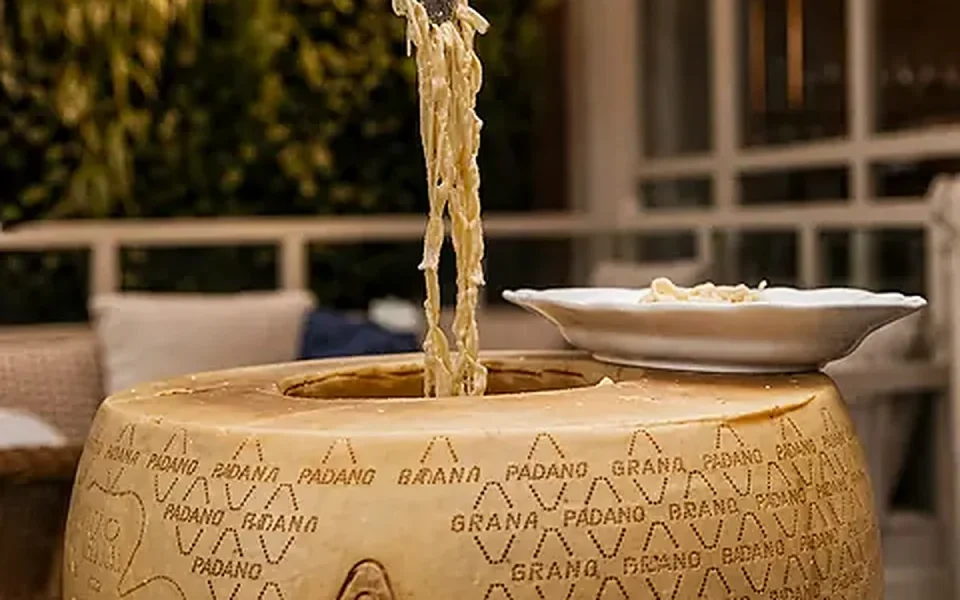
After a day of exploring Curaçao food, Fratè Italian Grill is the perfect place for a relaxed dinner in Willemstad. Alongside our cheese wheel pasta, we serve Caribbean lobster linguine, prime steaks from the grill and classic Italian desserts like tiramisù. Reserve your table and end your food journey with a taste of Italy.
Frequently Asked Questions
What is traditional food in Curaçao?
Traditional food in Curaçao is hearty home-style cooking known as kuminda krioyo. Popular dishes include keshi yena (stuffed cheese), stobá (stew), funchi (cornmeal), pastechi (fried pastries) and fried fish.
What is funchi?
Funchi is a traditional Curaçao side dish made from cornmeal, similar to polenta. It’s served with stews, soups and fried fish.
Is Curaçao food spicy?
Most Curaçao dishes are mild and full of flavour. Heat usually comes from pika, a local hot sauce served on the side, so you can choose how spicy you want your meal.
Where can I try local food in Willemstad?
Head to Punda at lunchtime, where local kitchens serve dishes like stobá, funchi and fried fish. In the evening, the island’s truki pan food trucks are a popular choice.
Where can I find Italian food in Curaçao?
Fratè Italian Grill in Willemstad serves fresh pasta, including its signature Pasta alla Ruota finished in a Parmesan cheese wheel, along with Caribbean lobster linguine, prime steaks and Italian desserts.